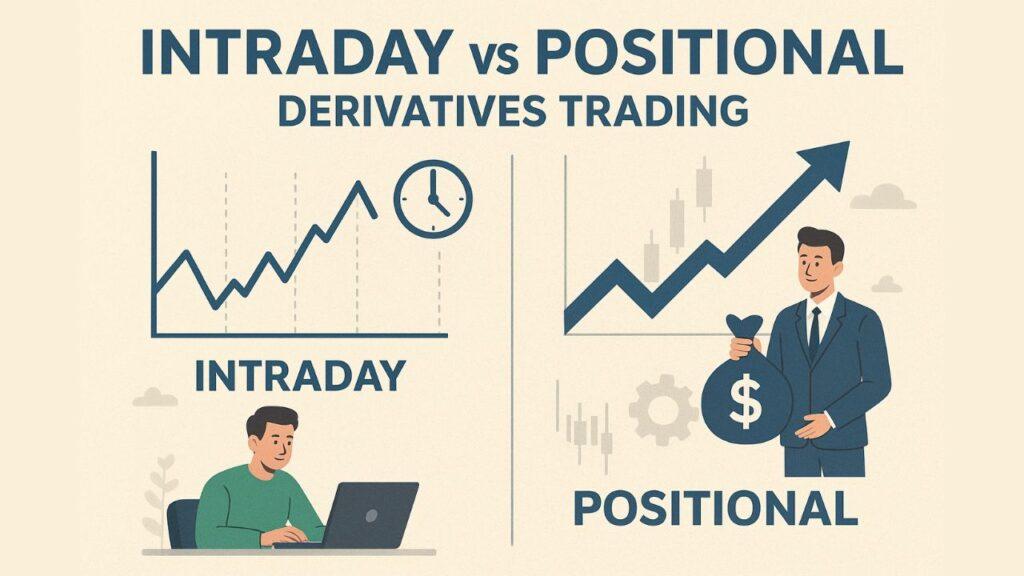
The modern Indian trader has access to an arsenal of data-driven tools that were once available only to large institutions. Among the most important of these is the ability to track SGX Nifty Live updates during pre-market hours, which sets the tone for the day's expectations across the domestic market. Alongside this, the Sensex Option Chain provides granular visibility into where institutional money is clustered, enabling retail traders to make informed decisions rather than reactive ones.
The Role of Futures in Setting Market Tone
Before domestic exchanges begin their operations, the futures market has already been active for several hours. Traders monitoring these futures contracts gain a powerful head start. When futures are trading sharply higher overnight due to positive triggers such as strong corporate results, supportive monetary policy stances, or favourable macroeconomic data the domestic market tends to respond positively at the opening bell.
However, it is equally important to understand that futures signals are not infallible. A significant gap-up or gap-down at open does not always sustain. Markets are known to fill gaps, especially when the broader trend and option chain data contradict the direction suggested by the futures. Experienced traders treat pre-market futures as a starting point for analysis, not a conclusion.
Implied Volatility and Its Effect on Option Pricing
One of the least understood concepts among retail participants in the Indian market is implied volatility, or IV. Option premiums are directly influenced by IV, which reflects the market's expectation of future price swings. High IV inflates option premiums, making buying strategies expensive and selling strategies more rewarding. Low IV compresses premiums, benefiting buyers who anticipate a breakout.
Tracking IV percentile where the current IV stands relative to its historical range helps traders determine whether they should lean towards buying premium or selling it. When IV is elevated, strategies like short straddles or strangles can generate returns through time decay and volatility compression. When IV is near multi-month lows, debit spreads and directional long options become more attractive.
Ignoring IV while trading options is like sailing without checking wind direction. It fundamentally changes the risk-reward dynamics of every options strategy.
Strike Selection and Open Interest Analysis
Selecting the right strike price is a critical decision in options trading. Many retail traders default to at-the-money options because they are the most liquid and responsive to directional moves. However, open interest analysis can guide more nuanced strike selection.
When open interest is concentrated heavily at a particular out-of-the-money strike, it suggests that a large number of participants believe the index will not reach that level. This creates a magnetic pull that tends to keep prices within a defined range until a catalyst breaks the equilibrium. Traders who identify these concentration zones in advance can design range-bound strategies or prepare for breakout trades with predefined triggers.
Strike selection also involves balancing delta, which measures how much an option's price moves relative to the underlying, with the overall cost of the trade. A thoughtful approach to strike selection, guided by open interest data and IV analysis, separates strategic traders from those who trade purely on gut instinct.
Sector Rotation and Its Impact on Index Derivatives
The Nifty and Sensex are weighted indices, which means that the performance of heavy-weight sectors banking, financial services, information technology, and energy has an outsized influence on index movement. Traders who track sectoral rotation patterns can often anticipate index-level moves before they materialise.
For example, when the banking sector, which carries significant weight in both major indices, starts seeing aggressive call writing at a particular level, it acts as a leading indicator of broader index resistance. Similarly, strong put writing in the banking space can signal that institutional players expect support to hold at that level. Combining sectoral derivative analysis with index-level option chain study creates a layered and highly insightful picture of likely market behaviour.
Discipline and Risk Management in Derivatives Trading
The derivatives market in India amplifies gains and losses due to its leverage. This makes hazard management non-negotiable for everyone driving on this stretch. Position size should generally be based primarily on the maximum allowable loss in line with the switch, not on capacity valuation.
Traders must also guard against the temptation to overtrade during periods of high volatility. Events, including quarterly earnings calls, monetary policy meetings, price range announcements, and geopolitical developments within the country, cause unexpected swings that can blow poorly managed positions off in a matter of minutes.
A robust trading journal, constant backtesting of techniques, regular overall performance evaluation are behaviours that consistently separate worthy investors from the crowd Indian derivatives market provides many opportunities, but approaches the simplest people who organise, guide and correct for chance.
Also read about:
Best Business Contract Lawyer in US
WHAT ARE THE TOP TRENDS MATTRESSES IN UAE
How to choose the best furniture shop in uae


Trading StockTwits Review to Help Make Decisions
January 19, 2022
Advantages of Sea Freight Shipping Over Roadway Shipping
January 03, 2021
Advantages of Road Freight
January 02, 2021Popular Posts






Recent Posts